

Why Choose Us
Hebei Lineng Cable Co., Ltd. has more than 20 years of industry experience, 100 employees, Ten thousand square meters, daily production capacity of 500,000 meters, annual sales revenue of 200 million yuan.
Wide Product Range
The main production and sales of copper core cable, aluminum core cable, new energy charging station cable of products.
Quality Assurance
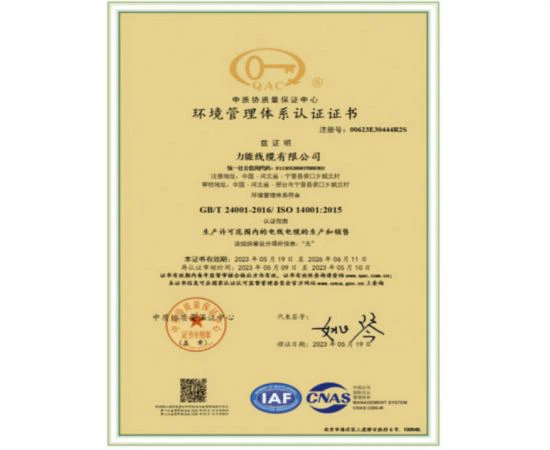
The entire production and operation process of the company is strictly in accordance with the requirements of CE certification, CCC certification, Rhine certification, 9001 certification, 14001 certification, 45001 certification and quality management system standards, the implementation of comprehensive quality control, so as to ensure product quality.
Wide Range of Applications
Our products are widely used in Industrial production, people's work, home life, daily travel, etc.
OEM & ODM Available
The company can also accept OEM, ODM cooperation.
What is Car Cable
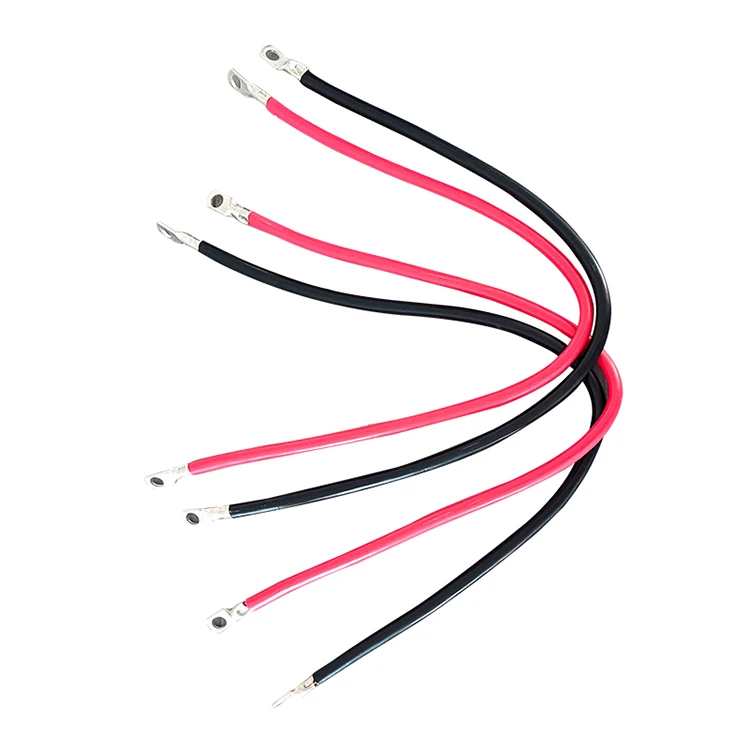
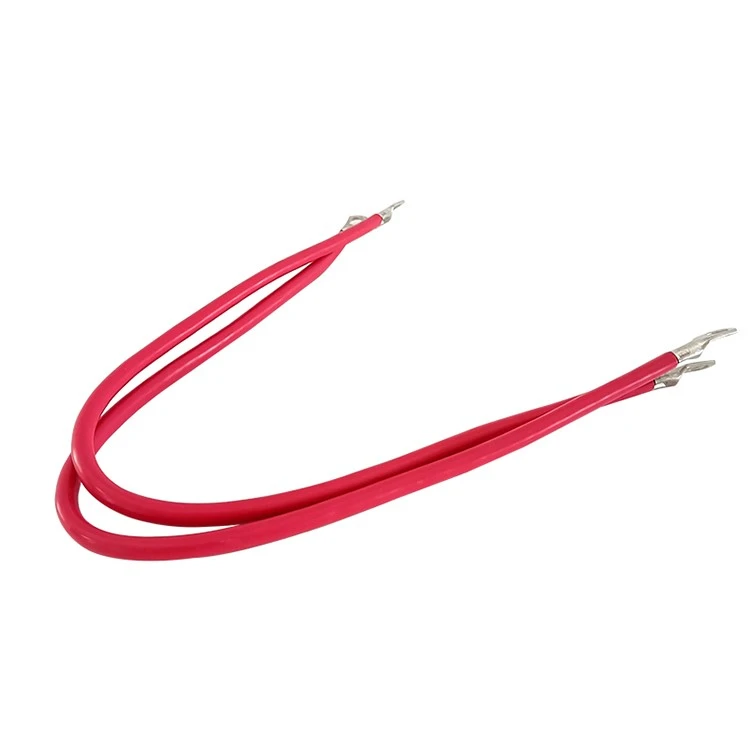
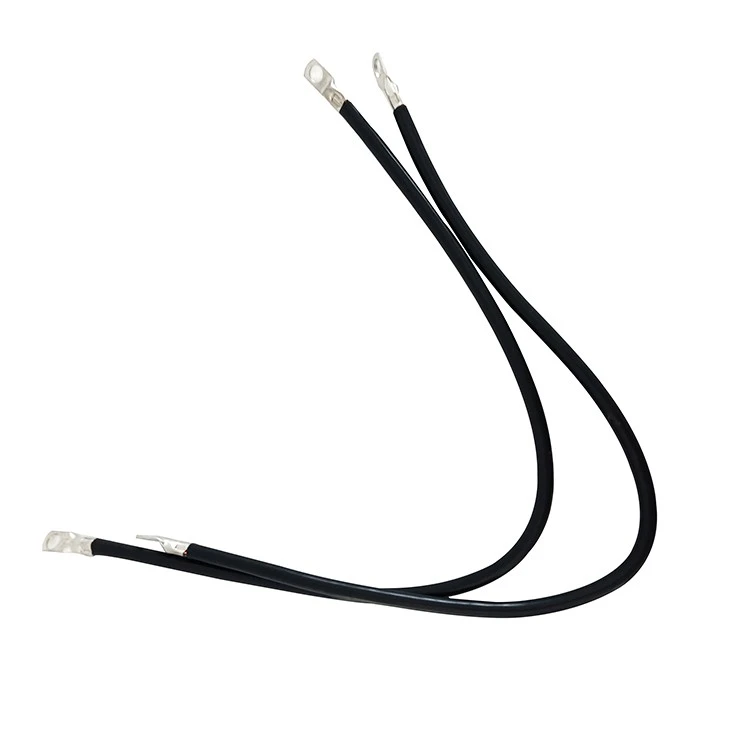
Battery cables are usually larger in size and are primarily used to connect the battery to the car's electronic system and ground. So the overall product is heavier. These cables consist of bare copper conductors and are available in standard battery circuit colors of black and red. If you want to know the specifications and prices of Car Cable, please contact us!
-
![Car Wire Connector Male Female]() Car Wire Connector Male FemaleHIGH-PERFORMANCE INVERTER CABLES: They are engineered for use in solar, automotive, RV, marine, and lawn mower applications, providing reliable power transmission.read more
Car Wire Connector Male FemaleHIGH-PERFORMANCE INVERTER CABLES: They are engineered for use in solar, automotive, RV, marine, and lawn mower applications, providing reliable power transmission.read more -
![Automotive Wire Connector Plugs]() Automotive Wire Connector PlugsPOWER / GROUND WIRE SET - Our bundled power wire set is great for a car amplifier or subwoofer or to be used as a ground wire on your electric wire installs. Use for many different applications suchread more
Automotive Wire Connector PlugsPOWER / GROUND WIRE SET - Our bundled power wire set is great for a car amplifier or subwoofer or to be used as a ground wire on your electric wire installs. Use for many different applications suchread more -
![Ethernet Automotive Connector]() Ethernet Automotive ConnectorOperational Temperature Range: -15°C to +105°C.. Cable Material: Copper wire & PVC insulated jacket.. Terminal Material: Zinc Plated copper terminal.. Wide Range of Uses: Used for power applicationsread more
Ethernet Automotive ConnectorOperational Temperature Range: -15°C to +105°C.. Cable Material: Copper wire & PVC insulated jacket.. Terminal Material: Zinc Plated copper terminal.. Wide Range of Uses: Used for power applicationsread more -
![Two Wire Automotive Connector]() Two Wire Automotive ConnectorHIGH-PERFORMANCE INVERTER CABLES: This set includes 10 feet of 5 gauge battery power inverter cables. They are engineered for use in solar, automotive, RV, marine, and lawn mower applications,read more
Two Wire Automotive ConnectorHIGH-PERFORMANCE INVERTER CABLES: This set includes 10 feet of 5 gauge battery power inverter cables. They are engineered for use in solar, automotive, RV, marine, and lawn mower applications,read more -
![Waterproof Automotive Wire Connector]() Waterproof Automotive Wire ConnectorWear-resistant outer coat flame retardant and antifreeze, new environmentally friendly natural rubber material, wear-resistant and flame retardant, safe and reliable.read more
Waterproof Automotive Wire ConnectorWear-resistant outer coat flame retardant and antifreeze, new environmentally friendly natural rubber material, wear-resistant and flame retardant, safe and reliable.read more -
![Best Portable Jumper Cables]() Best Portable Jumper CablesWhat should I do if the car battery is low on power and the car won't start? Push-starting is a familiar and effective emergency starting method, but it cannot be used frequently because it willread more
Best Portable Jumper CablesWhat should I do if the car battery is low on power and the car won't start? Push-starting is a familiar and effective emergency starting method, but it cannot be used frequently because it willread more -
![Jumper Cables Portable Battery Charger]() Jumper Cables Portable Battery ChargerSafely jump-start the car and start it easily. Be prepared for any problems that may arise when you drive. Long waits for phone rescue, parking on the road is cold and dangerous. Jumper cablesread more
Jumper Cables Portable Battery ChargerSafely jump-start the car and start it easily. Be prepared for any problems that may arise when you drive. Long waits for phone rescue, parking on the road is cold and dangerous. Jumper cablesread more -
![Best Heavy Duty Jumper Cables for Trucks]() Best Heavy Duty Jumper Cables for TrucksBest heavy duty jumper cables for trucks. Thickened wire core, safe conduction, no damage to the battery, stable current, the live wire uses a thickened wire core, no cutting corners, truly thin skinread more
Best Heavy Duty Jumper Cables for TrucksBest heavy duty jumper cables for trucks. Thickened wire core, safe conduction, no damage to the battery, stable current, the live wire uses a thickened wire core, no cutting corners, truly thin skinread more -
![Car Jump Start Cable Price]() Car Jump Start Cable PriceHow to choose the right jumper wire for you, spare battery wire specifications are recommended to choose large rather than small. Large-sized jumper wire can cope with the mixing of different modelsread more
Car Jump Start Cable PriceHow to choose the right jumper wire for you, spare battery wire specifications are recommended to choose large rather than small. Large-sized jumper wire can cope with the mixing of different modelsread more -
![Heavy Duty Car Battery Jumper]() Heavy Duty Car Battery JumperWhether hybrid or electric, both vehicles require cables to handle some of the extreme load currents. Our heavy duty car battery jumper cables are highly capable of meeting all electrical, thermalread more
Heavy Duty Car Battery JumperWhether hybrid or electric, both vehicles require cables to handle some of the extreme load currents. Our heavy duty car battery jumper cables are highly capable of meeting all electrical, thermalread more


Advantages of Car Cable
Protection from Abrasion, Moisture, and Other Hazards
Wire harness tapes provide a protective barrier around wiring, shielding it from abrasion, moisture, chemicals, and other hazards that can cause damage or malfunction. In the harsh environment of a vehicle engine compartment or undercarriage, wire harness tapes can help prevent shorts, ground faults, and other electrical problems that can lead to costly repairs and downtime. Eurotech offers a wide range of wire harness tapes from Coroplast Tape with varying levels of protection..
Improved Wire Organization and Identification
In addition to providing protection, wire harness tapes can also help organize wiring and make it easier to identify individual wires or groups of wires. By using different colors or patterns of tape, manufacturers can create a color-coded system that simplifies maintenance and troubleshooting. Eurotech’s team can work with you to find the wire harness tape solution that meets your specific needs.
Reduced Assembly Time and Costs
Using wire harness tapes can also help reduce assembly time and costs by simplifying the wiring process and eliminating the need for additional wire ties, clamps, or other fasteners. Coroplast tapes are designed to be easy to apply and conform. This can lead to faster production times and lower labor costs, as well as improved consistency and quality control.
Long-Term Durability and Reliability
Finally, wire harness tapes can help ensure long-term durability and reliability for your wiring systems, reducing the likelihood of failures or malfunctions that could lead to safety issues or product recalls. These tapes are engineered to withstand extreme temperatures, vibrations, and other stresses that can cause tape to degrade or fail over time. With Eurotech’s expertise and support staff, you can be confident that your wire harness tapes will meet the highest standards of quality and performance.
Customization
Wiring harnesses normally require customization about the demands that are Weird to certain applications. For instance, wire lengths, types of connectors, and protective coating material can be subjected to variations to maintain compatibility with the required systems.
Quality and Safety
It is important to guarantee the soundness and safety of wiring harnesses. Harness assemblies are an important component that must meet industry standards as well as regulatory requirements to ensure dependability and durability, particularly in such applications as automobiles and aircraft where safety is important.
Cost Efficiency
The quality of products does not come at a cost but through proper design and manufacturing processes that entail efficacy. For instance, this is quite imperative for firms that prioritize cost-effectiveness in their industries.
Diverse Applications
You stated that wiring harnesses have been utilized in various fields such as automobiles, airplanes, industrial equipment, and electronics. There are diverse demands for each sector which means it has its standard it must follow.
Reliability
This is important since the failure of a wiring harness can result in breakdown and dangerous conditions. You must employ rigorous testing and quality control processes for your harnesses to make them trusted.
Innovation
The evolution of technological advancement could lead to a rise in the need for intricate and networked power cables and wiring harnesses. It is also important for any company to be familiar with the most recent advances in the field of material sciences and the manufacturing process.
Polyvinyl Chloride
PVC has a wide range of electric cable manufacturing applications as bedding, insulation, and sheathing material. PVC was an advanced and better alternative to rubber insulated wires as PVC was more accessible to process than rubber sheathing. As you will not replace or repair custom wiring harnesses any sooner; hence, PVC offers an excellent lifespan. The cost of PVC is less than many other wire insulation materials.
PVC is one of the most flexible and versatile thermoplastics due to its fantastic flexibility. The original properties of PVC make it rigid and challenging, but it is useable in different applications after easy modifications. The processing of PVC is easy, and it is also recyclable. During the selection of material for wire insulation, fire resistance is an important consideration. Most industrial applications require such fabric for wire insulation and cable sheathing that can withstand higher temperatures. The use of PVC for wire insulation in wiring harnesses allows the harnesses to perform effectively despite the temperature rise.
Apart from high-temperature resistance, PVC insulation can protect wires against oils and chemicals too. The chemical exposure is too regular in many industrial work settings, so you can opt for PVC insulation if there are any chemical exposure chances.
Fluorinated Ethylene-Propylene
FEP is the blend of hexafluoropropylene and tetrafluoroethylene. FEP materials are modifiable after melting. This material is a perfect insulation material for temperature sensing wires, but its use for wiring harnesses also has some benefits. FEP has countless applications in industrial units as insulation and jacketing material for wires and cables. In coaxial cables, this material can perform as a dielectric too. The outstanding resistive properties of chemicals make it a suitable option for wire insulation in wiring harnesses.
When it comes to temperature resistance, FEP offers great resistance temperature ranges. Due to its excellent electric and physical properties, manufacturers use FEP in many industries and projects. In TEC cables, manufacturers use FEP as filler material. These TEC cables are perfect for the gas and oil industries. FEP is an excellent option for wiring harnesses for military installations and applications. FEP has countless applications in commercial and industrial projects due to its ideal temperature and chemical resistance properties.
Whenever you need wiring harnesses with flexible yet rigid insulation material, you can choose FEP as protective material. FEP can withstand all weather conditions with effective water resistance properties if you are concerned about changing weather conditions.
Polyethene
Polyethene insulated wires are best for projects where high voltage is involved. From electrical properties to resistance against different levels of temperature, Polyethylene is suitable for harsh conditions. In various applications where general sheathing materials would fail, manufacturers use Polyethylene as an insulation material. From freezing conditions to boiling applications, Polyethylene can withstand both extremes.
The wiring harnesses with a coating of Polyethylene are rigid but offer better resistance against abrasion. The original chemical properties of Polyethylene make it a tough and solid material. In the original form, Polyethylene may not be suitable for wires where you need flexibility. But with some further modifications of additives and fillers, you can make it flexible according to the project specifications.
Polyethene insulation is the perfect choice to minimize power loss. The leakage of current or data from wires with Polyethylene coating is almost negligible. You will get a maximum efficient current supply with Polyethylene insulated wires from low or high voltage current-carrying wires. What makes Polyethylene a better choice as compared to other insulation materials?
Polyethylene’s additional properties make it a suitable coating material for high-frequency signally carrying wires and transmission lines. For all the appliances that involve audio data and radio frequencies, custom wiring harnesses with Polyethylene coating can perform better than other typical coating materials.
Nylon
Thermoplastic materials for the insulation of wires in custom wiring harnesses are less expensive as compared to thermosets. There are realities of wires and cables that feature different insulating materials according to the project specifications. Each material has some benefits over others, as some are soft, and some exhibit rigid attributes.
When it comes to soft materials for wires in custom wiring harnesses, manufacturers look forward to PVC or Nylon. Both are highly flexible and adjustable according to the project specifications and harness layout. In some industries like automotive and aerospace industries, Nylon seems to be a perfect choice. Although this material is flexible, Nylon’s toughness can protect the wires against external factors and abuse. When many bending and mechanical movements are involved, custom wiring harnesses with Nylon insulation can perform better. The strain relief and flexibility of Nylon insulation are way better than many other insulation materials.
How to Choose Car Cable
Efficiency and Speed
The machine should offer high-speed and efficient production capabilities to meet demand and maintain productivity.
Precision and Accuracy
It's crucial that the machine can consistently produce wire harnesses with precise specifications to ensure compatibility and reliability in EV systems.
Flexibility and Versatility
Look for a machine that can accommodate various wire types, sizes, and configurations to support diverse EV applications and customization requirements.
Automation and Technology
Consider machines equipped with advanced automation features, such as automated wire cutting, stripping, crimping, and labelling, to streamline production and minimise human error.
Quality Control and Assurance
Ensure the machine incorporates quality control mechanisms and inspection systems to detect defects and ensure compliance with industry standards and regulations.
Scalability and Adaptability
Choose a machine that can easily scale up production capacity to accommodate future growth and adapt to evolving EV technologies and market demands.
Maintenance and Support
Evaluate the manufacturer's reputation for providing reliable technical support, training, and maintenance services to ensure optimal machine performance and up time.
Cost-effectiveness and Return on Investment (ROI)
Assess the overall cost of ownership, including initial investment, operational costs, and potential savings in labour, material waste, and rework, to determine the machine's ROI over its lifespan.
How to Maintain Car Cable
If you’re getting the wires from wire harness manufacturers, you’ll likely find them well dressed already. If not, then you need to do the dressing on your own. Dressing makes the wires entering and exiting the bundle neat and presentable. Strain relief on all terminated ends of the harness makes it easier to install and repair, while proper routing and shielding ensures that signals reach the intended destination free of cross talk and interference.
Bird-caging, for example, can be prevented by twisting the insulation from the end of the wire at the same rate and in the same direction as the manufacturer’s twist. This twisting makes soldering to a terminal or into a cup much easier. It also prevents shorts.
If you can access the manual from your wire harness manufacturer, you should be able to see the proper way to break a wire out of a bundle. During breaking, a minimum bend radius of the conductor and required strain relief must be observed. Ensure that the location of the termination and the break out point allow for gradual curving to the termination. You must never over bend wires.
Apart from its importance when breaking out of a harness, strain relief also helps with terminating wires. For instance, if an electrical cabinet is movable, the strain relief on the connectors will provide for such mobility without breakage. The same applies to when temperatures change. Wires typically expand and contract in warm/hot and cold weather respectively. You need strain relief to accommodate such flexibility.
Strain relief can be easily accomplished by adding a maintenance loop before the termination point. Alternatively, ask your wire harness manufacturer for help.
Our Factory

Hebei Lineng Cable Co., Ltd. has more than 20 years of industry experience, 100 employees, Ten thousand square meters, daily production capacity of 500,000 meters, annual sales revenue of 200 million yuan. Is a professional production, power cable and wire enterprises. The main production and sales of 35KV, 15KV, 1KV, 750V copper core cable, aluminum core cable, new energy charging station cable, low smoke zero halogen cable, sheathed cable/shielding cable, control cable, high voltage cable, rubber sheathed cable, shielding machine cable, aluminum alloy cable, mine insulated copper cable, home laying cable and special cable hundreds of series, thousands of specifications of products.
The company can also accept OEM, ODM cooperation. Since its establishment, the company has adhered to technological progress and concept innovation, constantly strengthened internal management, advanced with the times, and formulated the quality policy of "customer-centric, based on production management, continuous improvement of quality system, and improvement of customer satisfaction products". Strictly in accordance with national and international standards to organize production, the implementation of raw material procurement to finished product delivery of the whole process control. The entire production and operation process of the company is strictly in accordance with the requirements of CE certification, CCC certification, Rhine certification, 9001 certification, 14001 certification, 45001 certification and quality management system standards, the implementation of comprehensive quality control, so as to ensure product quality.
Our Certificate
Frequently Asked Questions
As one of the leading car cable manufacturers and suppliers in China, we warmly welcome you to wholesale bulk high quality car cable in stock here from our factory. Contact us for free sample.